
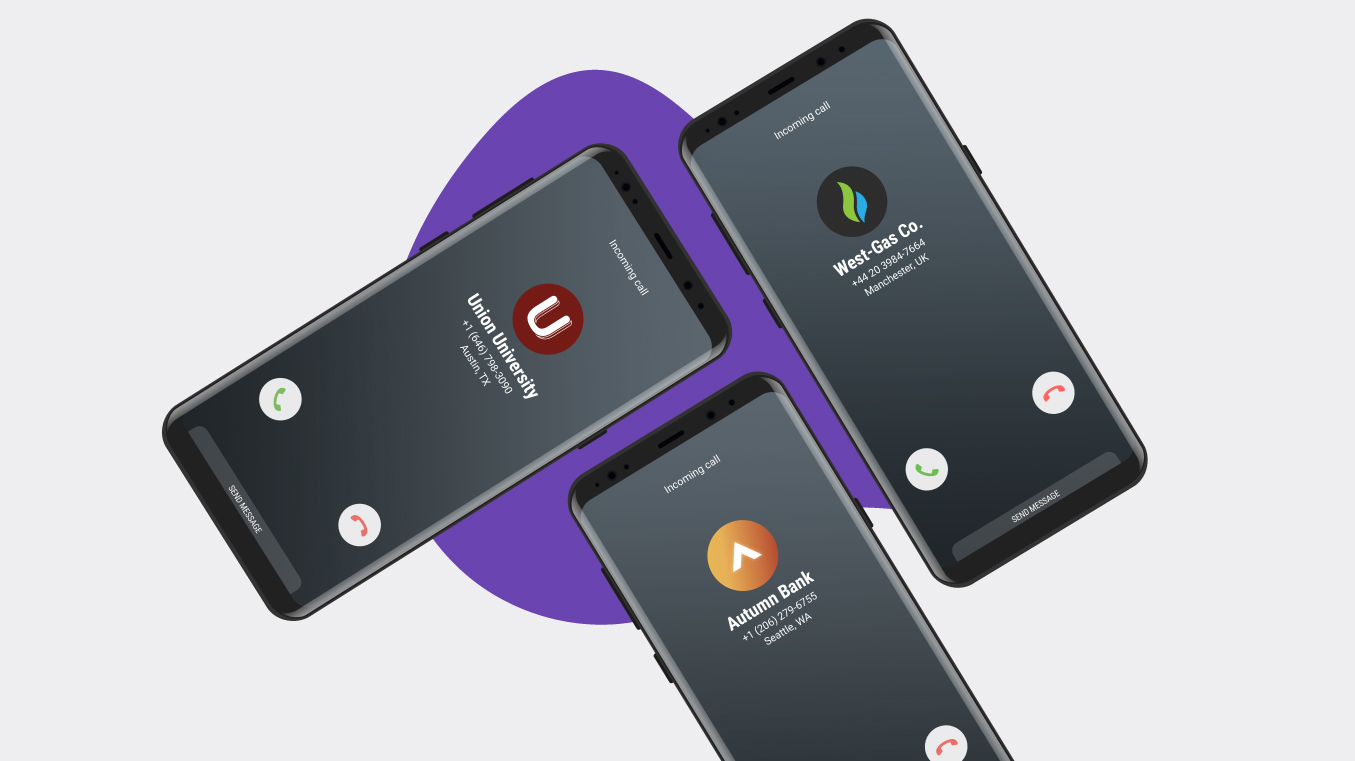
If reading this post, you probably already know that CNAM stands for Caller ID Name. But while the traditional variant only supplies the receiver with the phone number, this offers the name of the party originating the phone call. Moreover, it’s limited to just about 15 characters and stands for a person or an organization.
Even though CNAM registration has the potential to help improve caller ID accuracy, it also brings with it some limitations that could negatively impact your brand. After all, CNAM counts on outdated tech that may not resonate well with mobile devices.
And in instance when it works, there is a good chance it may not show consumers your most current information since carriers can take a couple of weeks or even months to make adjustments to their CNAM databases.
How CNAM Works
As mentioned above, CNAM allows your company name to appear on the phone of anyone you decide to give a call. This comes in handy for callers considering it makes it far more likely call receivers will pick up.
With this technology, you’ll be required to first key in the information into the CNAM lookup database. While you call someone, the numbers are run through the database. In the event that they have been input, they’ll be paired with the text which has been stored and the text appears on the ID of anyone receiving the call.
You might probably be asking yourself about the essence of using CNAM service. Well, you can deem it as free advertising. In most cases, you’ll be required to part with $10 for registration purposes. However, most service providers ensure you don’t pay anything to take full advantage of being able to list your data on the telephone of those you’re calling.
For those who are merely starting off or trying to expand into a geographic area in which you otherwise have not been present, the sheer ability to display your caller name rather than making do with a random phone number goes a long way toward presenting yourself to new audiences and prospects.
Ready to Start Using CNAM
So, CNAM makes it possible for you to sell yourself with every ring of the telephone. It’s a free form of advertising, something that can take your business to the next level without feeling the heat on your part.