

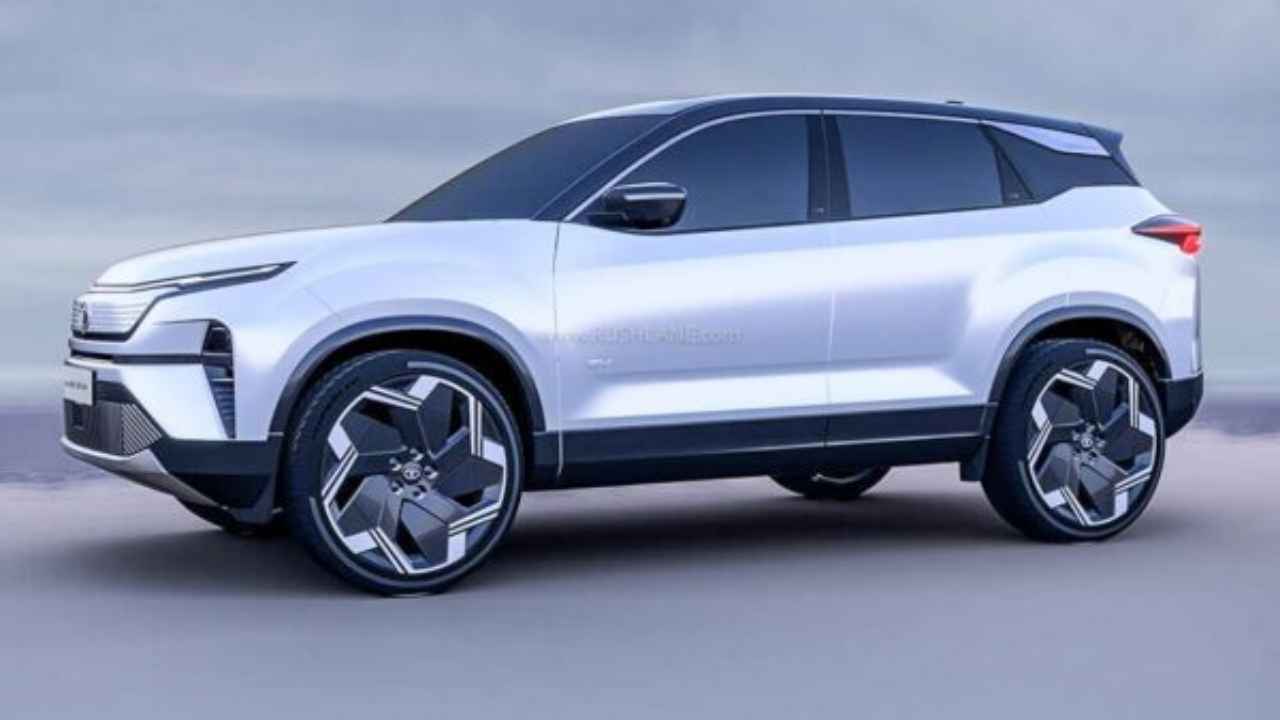
Tata Motors has solidified its position as a leader in India’s electric vehicle market, and the launch of the Harrier EV is its most ambitious step yet. Unveiled as a concept at the Auto Expo 2023 and introduced in production form in June 2025, the Harrier EV takes the popular ICE model’s muscular design and adds a host of next-generation features, impressive performance, and a strong focus on sustainability.
Design and Platform
The Harrier EV retains the commanding presence of its internal combustion engine (ICE) counterpart but with a futuristic twist.It features a blanked-out front grille, distinctive animated LED lighting signature, and aero-efficient alloy wheels.The vehicle is built on Tata’s new “acti.ev+” platform, a purpose-built electric architecture that provides a flat floor and optimizes interior space.A notable change from the ICE Harrier is the switch to an independent rear suspension, which significantly improves ride comfort and handling.
Performance and Range
The Harrier EV is offered with two battery pack options: a 65 kWh unit and a larger 75 kWh LFP (Lithium Iron Phosphate) pack.The larger battery, in its all-wheel-drive (AWD) configuration, boasts a claimed range of up to 627 km (MIDC).The AWD model features a dual-motor setup, with a 158 PS motor at the front and a more powerful 238 PS motor at the rear, delivering a combined torque of 504 Nm.This potent powertrain enables the Harrier EV to sprint from 0 to 100 km/h in a brisk 6.3 seconds in Boost Mode.The car also offers multiple drive and terrain modes, including Normal, Rock Crawl, Mud Ruts, Snow & Grass, Sand, and Custom, making it a capable off-roader.
Technology and Features
Tata has packed the Harrier EV with a suite of advanced technologies. The interior is dominated by a large 14.5-inch Neo QLED touchscreen infotainment system and a 10.25-inch digital instrument cluster. Audiophiles will appreciate the JBL audio system with Dolby Atmos. Key features include:
ADAS Level 2: With features like adaptive cruise control, lane-keeping assist, and emergency braking.
540-degree Camera: A “Transparent Mode” allows the driver to see what is under the car, a feature particularly useful for navigating difficult terrain.
Convenience Features: A panoramic sunroof, ventilated and power-adjustable front seats, an electric tailgate, and a digital rearview mirror with a built-in dashcam.
Smart Connectivity: The iRA.ev connected car suite enables features like remote lock/unlock, charge monitoring, and over-the-air (OTA) updates.
Safety
Safety is a top priority, and the Harrier EV has achieved a 5-star rating in the Bharat NCAP crash tests.The vehicle comes equipped with 6 or 7 airbags (variant-dependent), ABS with EBD, ESP, and an electronic parking brake with auto-hold.
Pricing and Competition
The Tata Harrier EV is positioned as a premium electric SUV, with an introductory ex-showroom price starting at approximately ₹21.49 lakh.It goes up to around ₹30.23 lakh for the top-end variant.The Harrier EV faces competition from other mid-size electric SUVs in the Indian market, including the Mahindra XEV 9e and BYD Atto 3.
Conclusion
The Tata Harrier EV is a significant milestone for Tata Motors, demonstrating its commitment to pushing the boundaries of electric mobility in India. With its combination of a stylish design, powerful electric powertrain, impressive range, and a wealth of advanced features, the Harrier EV offers a compelling package for consumers looking to transition to an electric lifestyle without compromising on performance, space, or capability. While some minor fit-and-finish issues may be present in the initial batches, the Harrier EV’s overall value proposition makes it a strong contender and a true flagship for the brand.