

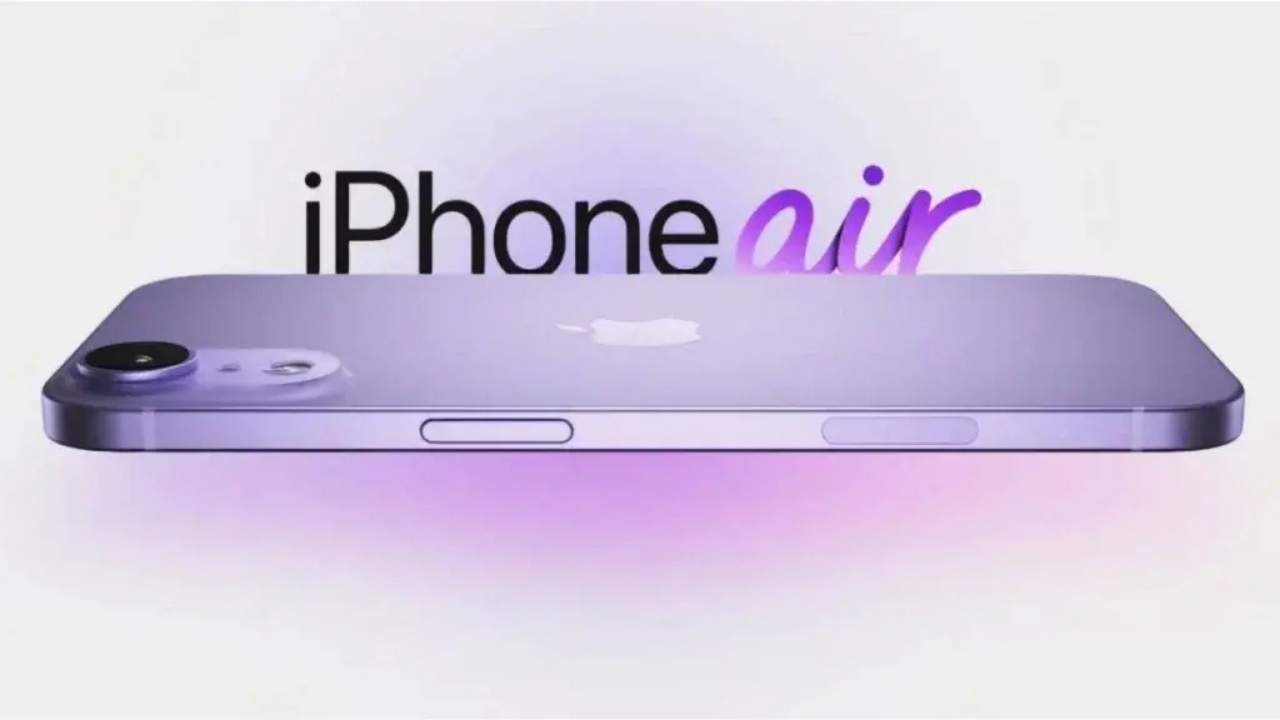
iPhone 17 Air battery: Every year, when Apple releases a new iPhone, there is a lot of speculation, rumors, and leaks about it. The iPhone 17 lineup is no different; fans and tech experts are looking at every hint for information about new features and hardware changes. A very interesting piece of information has come to light in the most recent leaks about the battery life of the new iPhone 17 Air model. Reliable sources in the industry say that the iPhone 17 Air will come with a surprisingly small battery. This has led to discussions about Apple’s design priorities and the future of smartphone innovation in general.
The Leak: Smaller Than Expected
A leak from a reliable source in the supply chain says that the iPhone 17 Air’s battery will be much smaller than those of previous and current models. The exact numbers are still being confirmed, but early reports say that the cell will be between 2,800 and 3,000 mAh. This is a big drop from the battery sizes of recent iPhone models and Android devices, many of which now have batteries that hold more than 4,000 mAh.
Many people in the industry are surprised by this news, especially since battery life is still a top priority for most smartphone users. People expect their devices to last longer between charges these days, so when the battery size goes down, it’s natural to wonder about how well they work and how long they last.
Apple’s Design Philosophy: Thinness Over Endurance?
Apple has always been known for making slim, light devices, even if that means sacrificing battery life. The rumored battery size for the iPhone 17 Air seems to back up the idea that this design style is still being used. The name “Air” suggests that the device is very thin and light, maybe like the iPad Air or MacBook Air, which also focus on being portable and simple.
Apple may be focusing even more on looks by choosing a smaller battery. This will make the iPhone 17 Air one of the thinnest and lightest smartphones on the market. This could be a good trade-off for people who value portability and a sleek look. But for power users and people who need their devices for heavy tasks, the smaller battery size could be a big problem.
Mitigating Factors: Efficiency and Optimization
The raw battery capacity is lower, but it’s important to remember that Apple is always working to make both hardware and software work as efficiently as possible. Apple’s own silicon, most recently the A17 chip, has made great strides in energy efficiency over the years. These improvements, along with the company’s tightly integrated iOS ecosystem, often let Apple devices do better than competitors with bigger batteries in real-world tests.
The next version of Apple silicon is likely to be in the iPhone 17 Air, which should make it even more efficient. Also, iOS 18 has features that could help the smaller battery last longer, like better low-power modes and smarter management of background apps.
The Broader Context: Market Segmentation
You should also think about where the iPhone 17 Air fits into Apple’s other products. The “Air” model is probably meant to be a lighter, possibly cheaper version of the iPhone 17 Pro and iPhone 17 Pro Max, which are the best models. This means that Apple may be going after people who care more about the shape of the device than the battery life, like students, professionals on the go, or people who want a second device.
Apple can better meet the needs of a wide range of users by making its models different not only in terms of features but also in terms of size and battery life. If you need a battery that lasts all day and premium features, you can choose the Pro models. The Air models, on the other hand, are more streamlined and simple.
Consumer Reaction: Mixed but Curious
As expected, the leak has caused a lot of discussion online. Some customers are unhappy because they remember how frustrating it was to have to charge their devices all the time and worry about the battery life. Others are more hopeful because Apple has a history of making things work well and because a truly light iPhone would be very appealing.
In the end, the market will decide if Apple’s risk pays off. If the iPhone 17 Air’s battery life is good enough after optimization, it could win over people who care more about design than anything else. But if the real-world battery life isn’t as good, it might make people think that Apple isn’t meeting their needs.
Looking Ahead: What This Means for the Industry
The rumored battery capacity of the iPhone 17 Air is a sign of bigger changes in how smartphones are made. As parts get smaller and more efficient, manufacturers have to constantly find a balance between form, function, and durability. Apple’s choice to make the iPhone 17 Air as thin as possible could lead other companies to do the same, or it could make other companies focus even more on big batteries as a selling point.
The leaked information about the iPhone 17 Air’s battery serves as a reminder that innovation is not only about making new things, but also about making choices. As the official launch date gets closer, everyone will be watching Apple to see how the company deals with problems and keeps its promise of a device that is both pretty and useful.
In conclusion
The iPhone 17 Air’s rumored small battery is a risky move that could change what people expect from light smartphones. We don’t know if people will like or dislike Apple’s latest design choice, but one thing is for sure: it will keep the tech world talking until the official announcement.