

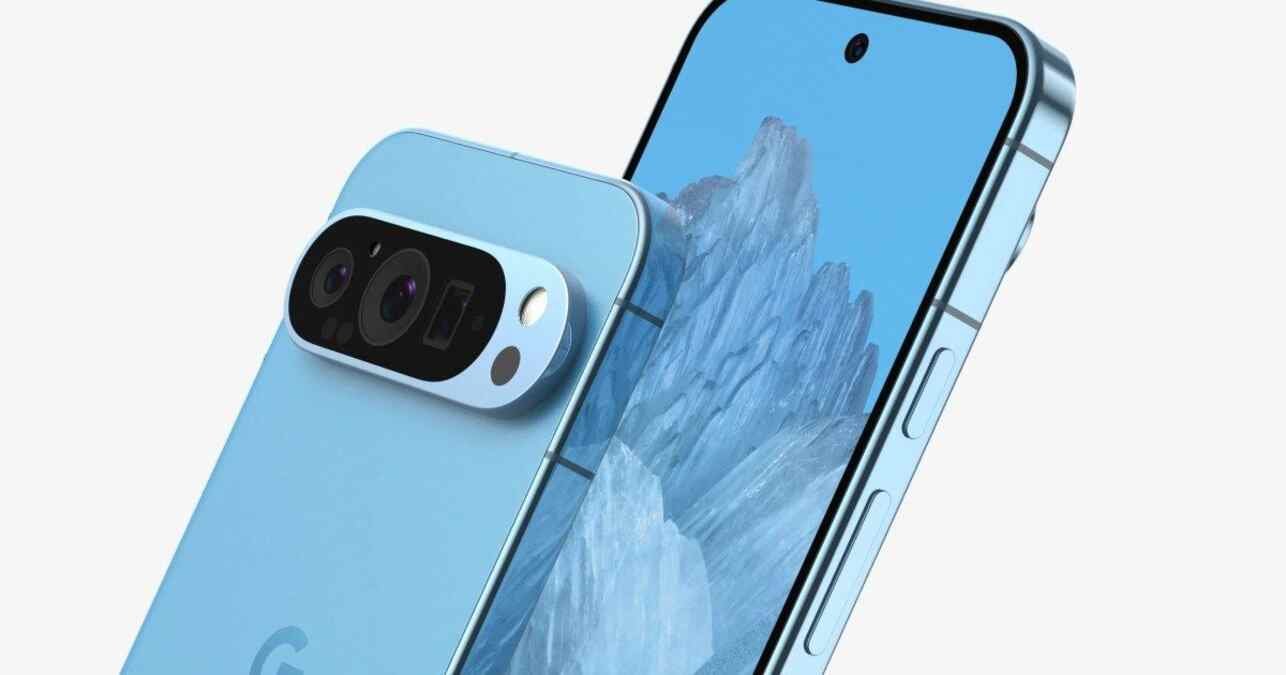
Google has taken a major step forward in smartphone safety with the Pixel 9, introducing built-in satellite connectivity designed specifically for emergency use. This feature positions the Pixel 9 as a serious contender in the premium smartphone market, especially for users who travel frequently, explore remote locations, or live in areas with unreliable network coverage. By enabling communication beyond traditional cellular networks, Google is addressing one of the most critical limitations of modern smartphones.
Satellite connectivity on the Pixel 9 allows users to send emergency messages even when there is no mobile signal or Wi-Fi available. In situations such as natural disasters, wilderness travel, or rural emergencies, this feature can become a lifesaving tool. The system is designed to work automatically when the phone detects that no terrestrial network is reachable, guiding users through the process of connecting to a satellite overhead.
Unlike standard messaging, satellite communication requires precise alignment with satellites orbiting the Earth. Google has simplified this complex process by integrating on-screen guidance that helps users position their device correctly. Visual cues and haptic feedback ensure that even users with no technical knowledge can establish a connection quickly during stressful situations. This focus on usability reflects Google’s broader strategy of making advanced technology accessible to everyday consumers.
The emergency satellite feature is deeply integrated into Android’s safety ecosystem. Pixel 9 users can send predefined emergency messages that include their location, battery status, and the nature of the emergency. These messages are routed to emergency services or designated contacts, ensuring that critical information reaches the right people without unnecessary delays. Google has also optimized the system to conserve battery life, a crucial factor when power sources are unavailable.
From a hardware perspective, the Pixel 9 includes upgraded antennas and radio components capable of communicating with low Earth orbit satellites. These enhancements are carefully designed to maintain the phone’s slim form factor without compromising performance. Google has emphasized that satellite connectivity is intended for emergencies only, rather than everyday communication, ensuring compliance with regulations while keeping costs manageable.
The introduction of satellite connectivity reflects a growing industry trend, but Google’s implementation stands out due to its seamless integration with software and services. Rather than treating it as a standalone feature, Google has embedded satellite communication into its broader vision of personal safety. This includes integration with location sharing, emergency contacts, and AI-powered detection systems that can recognize accidents or unusual activity.
For consumers, the Pixel 9’s satellite feature adds a new layer of peace of mind. Outdoor enthusiasts, hikers, and travelers in remote regions will particularly benefit from the assurance that help is reachable even when traditional networks fail. At the same time, urban users gain added security during large-scale outages caused by extreme weather or infrastructure failures.
The Pixel 9 also reinforces Google’s push to differentiate its smartphones through meaningful features rather than incremental upgrades. While improvements in camera quality, performance, and AI capabilities remain important, satellite connectivity addresses a real-world problem with tangible impact. This approach strengthens the Pixel brand as a technology leader focused on user safety and reliability.
As satellite networks continue to expand globally, Google is expected to enhance this feature through software updates and broader regional support. The Pixel 9 sets the foundation for a future where smartphones are not entirely dependent on ground-based networks. By bringing satellite connectivity to emergency communication, Google is redefining what users can expect from a modern smartphone and raising the bar for safety-focused innovation in the mobile industry.