

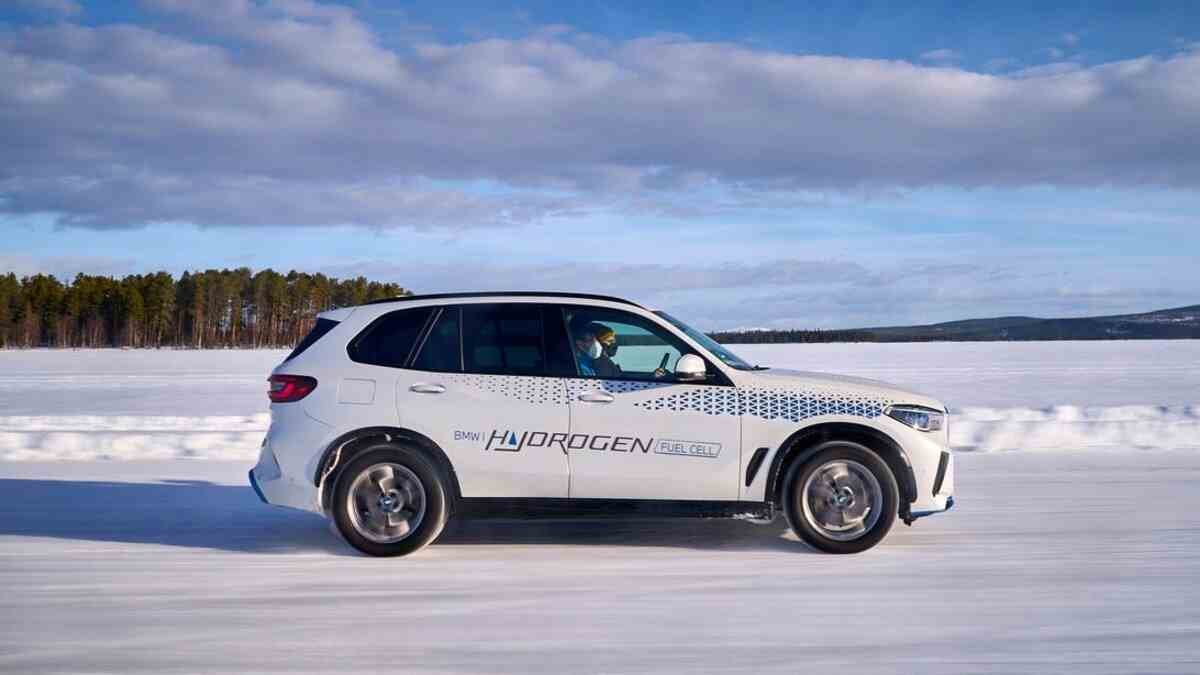
BMW has taken a bold step into the future of clean mobility with the unveiling of its hydrogen-powered X7 prototype, a luxury SUV that pushes the boundaries of zero-emission transportation. With global pressure mounting for greener alternatives and automakers racing to develop sustainable technologies, BMW’s new prototype demonstrates the brand’s commitment to diversifying its energy portfolio beyond traditional electric vehicles. Instead of solely relying on lithium-ion batteries, the company is investing heavily in hydrogen fuel cell technologies, hoping to redefine what premium, environmentally conscious mobility can look like.
At first glance, the hydrogen-powered X7 looks like an evolution of BMW’s existing luxury lineup, but beneath its familiar exterior lies a revolutionary powertrain. The prototype uses a next-generation fuel cell system capable of generating electricity on demand by combining hydrogen with oxygen. The result is an SUV that emits only water vapor while delivering smooth, powerful performance similar to battery-electric vehicles—but without the long charging times.
BMW claims the system offers rapid refueling capabilities, requiring only a few minutes to fully replenish the hydrogen tanks, making it an attractive alternative for long-distance drivers or markets where EV charging infrastructure remains underdeveloped. This benefit highlights one of the biggest advantages hydrogen vehicles have over traditional EVs: they can offer the convenience of conventional fueling with the environmental benefits of electrification.
Inside the cabin, BMW has layered the X7 prototype with a blend of futuristic technology and signature luxury craftsmanship. The interior features new eco-conscious materials and advanced digital interfaces designed specifically for hydrogen-powered systems. Subtle blue accents—symbolizing hydrogen energy—run throughout the design, reinforcing the vehicle’s sustainable identity without compromising BMW’s iconic premium aesthetic.
Under the hood, the fuel cell stack works alongside a powerful electric motor tuned for a dynamic driving experience. BMW reports that the prototype achieves strong torque output and rapid acceleration, characteristics often associated with pure EVs. But unlike long-distance electric SUVs that rely on large batteries, the hydrogen X7 maintains a lighter powertrain and avoids energy-density challenges that can limit range or performance in conventional battery-electric models.
From a sustainability perspective, this launch represents a significant milestone in BMW’s broader clean mobility strategy. The company has long argued that hydrogen will play a critical role in complementing battery-electric vehicles, especially for larger segments like SUVs, commercial fleets, and long-range transportation. Hydrogen vehicles also allow automakers to reduce dependence on rare earth minerals and high-capacity battery production processes, both of which remain complex and resource-intensive.
The timing of the prototype’s debut is strategic. As Europe and parts of Asia expand their hydrogen infrastructure, automakers are positioning themselves to capitalize on future demand. Japan and South Korea have already invested heavily in hydrogen refueling networks, while Germany and the Netherlands are quickly catching up. BMW’s X7 hydrogen prototype could therefore become one of the early players in a market poised for rapid growth.
Of course, challenges remain. Hydrogen production still relies heavily on natural gas, although investment in green hydrogen—generated through renewable energy—continues to rise globally. Infrastructure also needs major scaling before hydrogen vehicles can achieve mass-market acceptance. But BMW’s proactive approach demonstrates confidence that these hurdles will be addressed as governments and private industries push toward decarbonization.
As the hydrogen-powered X7 undergoes testing and continues to evolve, it represents not just a technical showcase but a statement of intent. BMW is signaling that the future of luxury mobility will not be defined by a single solution. Instead, it will be shaped by a combination of advanced technologies working together to create cleaner, faster, and more flexible transportation options.
With its innovative fuel cell system, premium SUV design, and forward-looking engineering, BMW’s hydrogen-powered X7 prototype marks a significant leap toward a greener and more versatile automotive future.