

Key Highlights:
- There is no single method that works universally. Various approaches are appropriate in various circumstances – mobile wallets, bank transfers, or credit cards.
- Security depends not only on the characteristics of the technology being used, but also on the user’s approach to its utilization. Tokenization and biometric authentication can be helpful, but complicated passwords and notifications also matter.
- Employ the appropriate instrument for the task. Mobile wallets are convenient, bank transfers are inexpensive, and credit cards are for shopping.
There Have Been Some Developments With Your Wallet Over The Decade
In the past, paying meant that you would either make a cash transaction, a card transaction or fill in an online form. Nowadays, however, paying involves swiping your phone or using a QR code to make payment within seconds. The issue that arises is no longer whether or not you are going digital, but rather, which transaction you make and when. The following is a guide to the various forms of digital payments.
Mobile Wallets: Fast and Secure
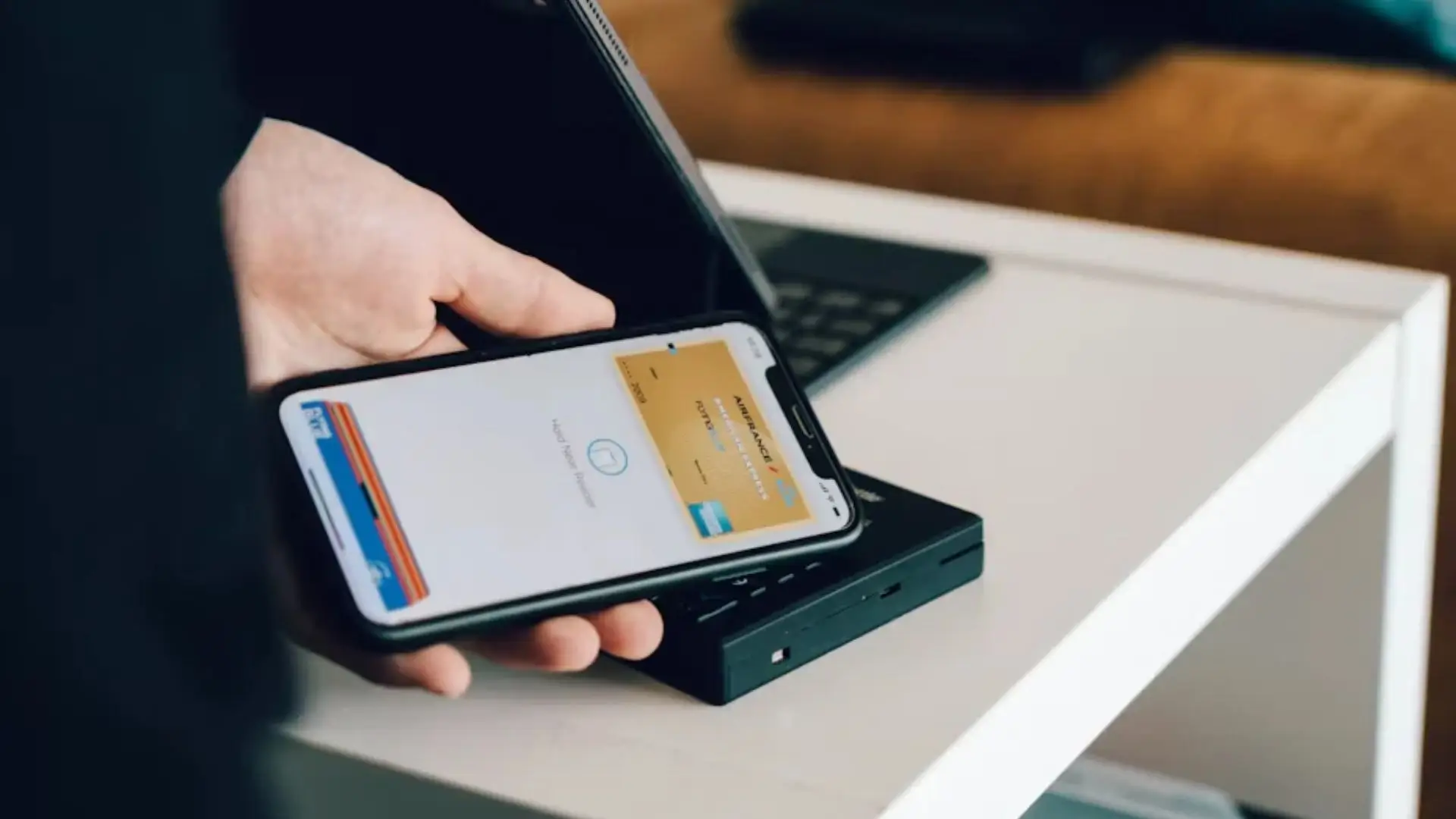
Common mobile wallets include Apple Pay, Google Pay, and Samsung Wallet. The apps have your card information stored safely in your phone. To put it in perspective, your card information is not your real information; instead, you use temporary information that gets generated with every payment made. Therefore, your information will never be known by any merchant. Fingerprint or facial recognition serves as another security feature.
Immediate Bank Payments: Cheap but Wide Spread
Money is transferred directly from one bank account to another within a few seconds using systems such as India’s Unified Payment Interface, Brazil’s Pix, and the USA’s FedNow. As no card network is involved, transaction fees for both individual users and small-scale merchants are either cheap or non-existent. It allows to use these payment methods to pay rent and bills to local shops or send money to relatives.
As always, safety comes at the cost of reversibility. Transactions cannot be reversed because of the risk of misuse of account information and fraud. Check the recipient’s name carefully before confirmation.
Payment Cards: Still the Best Safeguard
There is a reason why cards have been dominating transactions for decades. Most credit cards have built-in dispute mechanisms and fraud protection and offer some sort of reward program. Many banks allow virtual card numbers for shopping purposes, which can help avoid exposing your main card while making online transactions.
Peer-to-Peer Payments and Installment Payments
Mobile payment solutions such as PayPal, Venmo, and Cash App allow one to split the bill at the restaurant or pay for a service effortlessly. The buy now and pay later feature is useful to split a purchase into installment payments. Be careful: non-payment may incur some penalties, and you may have multiple payment plans unknowingly.
Choosing the Right Solution
Here is an easy rule of thumb:
- Routine use: mobile wallet.
- Transferring money to individuals or local merchants: instant bank transfer.
- Major purchases and unknown sellers: credit card.
- Large expenses: installments.
Stay Safe
It doesn’t matter what approach you choose; a few practices will get you far. Switch on biometric access and notifications, make sure your applications are up to date, and don’t reveal one-time passwords under any circumstances, not even to someone who says they work for your bank.
FAQs
Is it safer to make digital payments rather than cash?
Yes, usually. Tokenization, biometrics, and notifications make it easier to prevent and detect any unauthorized use, while lost phone may be easily blocked, whereas a lost wallet cannot.
What should I do if I made a mistake while making a transfer?
Notify your bank or payment processor as soon as possible. You may not recover the money for sure, especially if it was a fast transfer.
Do I have to have a bank account to make digital payments?
Normally, yes, because most wallets and transfers systems are tied to a bank account or a card. There are some prepaid wallets and cash load systems that may serve as alternatives.